METHOD 01 · VISUAL CHECK PROTOCOL
A repeatable view order for sealed-product review.
The protocol defines what a buyer can ask to see and how observations are recorded. It does not create a pass/fail result.
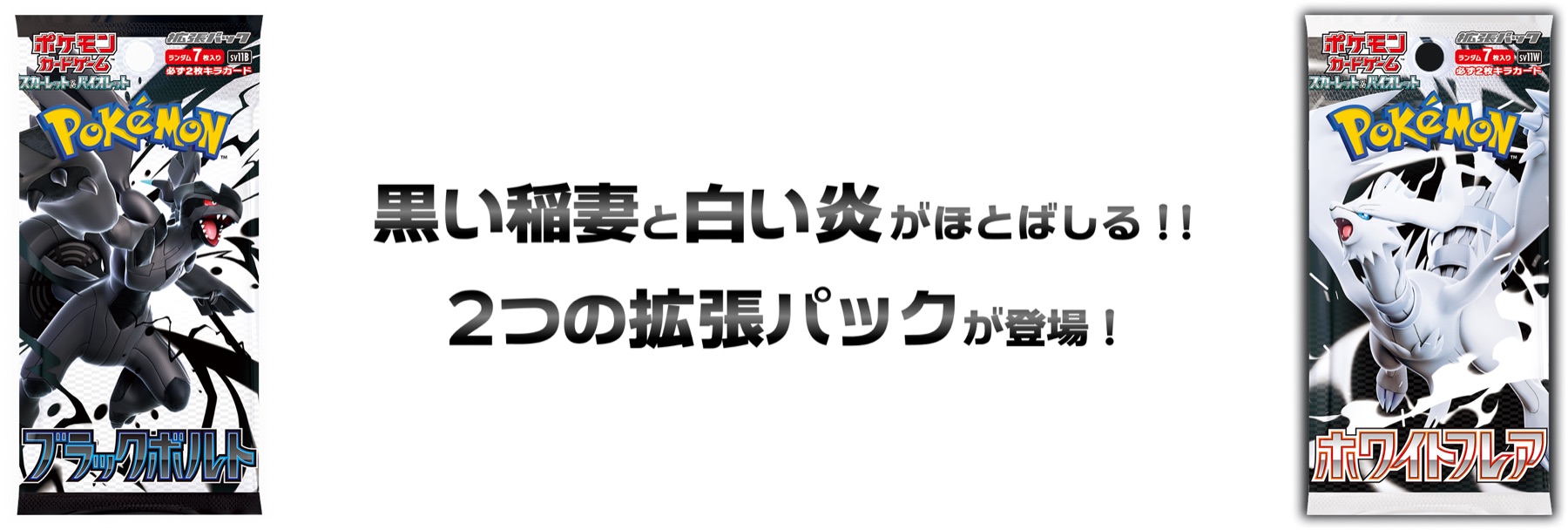
IDENTITY VIEW EXAMPLE
Similar release timing does not make two pack identities interchangeable.
Black Bolt and White Flare are shown together in archived artwork, but a review file should still record the exact visible title, set code and pack format for the material supplied in the enquiry.
- READ FROM REFERENCE
- Japanese pack identity and the SV11B / SV11W distinction
- REQUIRES CURRENT MATERIAL
- Availability, quantity, wrap, seal, corners and other lot condition
Release identification only. This archived image is not current inventory or evidence of a proposed lot.
- 01
Identity view
Record the visible title, product code, language edition and sealed format without inferring details outside the frame.
- 02
Whole-unit view
Show the complete unit and state which faces or sides are included in the supplied material.
- 03
Wrap and closure views
Focus on visible seams, folds, closures and wrap surfaces. Record the view, not a pass or fail result.
- 04
Condition details
Locate visible corners, edges, surfaces, impressions, tears or other local features in a cited image or video.
- 05
Lot context
Include grouped units or outer packaging where relevant. A group image alone does not establish total quantity.
- 06
File context
Keep the enquiry reference, file name and capture or receipt date when known. Mark missing context plainly.
COVERAGE MATRIX
Ask what the supplied view includes and leaves out.
Coverage is a description of the material, not evidence that an unseen area has the same condition as a visible one.
Recording quality has a limit.
Clear focus, neutral light and continuous video can reduce ambiguity. They do not prove authenticity, ownership, availability or unchanged condition.